Nguni Cattle Breed Facts
CATTLE
We Specially love breeding Nguni Cattle but we choose to breed with Nguni Poll
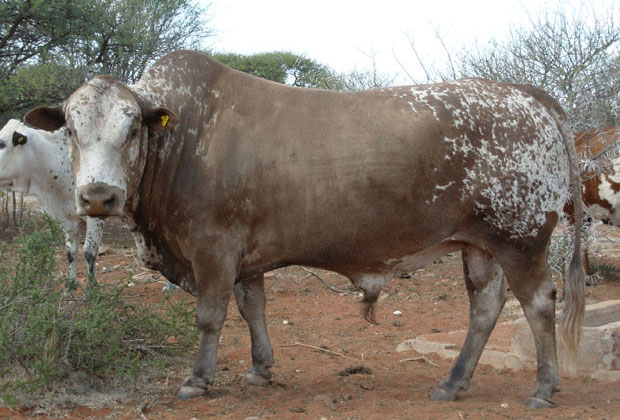
Nguni cattle derive their name from the black tribes of Africa, collectively known as the Nguni people. Nguni cattle descend from both Bos taurus and Bos indicus cattle and entered Africa around 8000 years ago.As the Nguni tribes migrated south into Africa they took their cattle along. Through natural selection and environmental interaction the cattle evolved into the hardy breed we know today as the Nguni. As the tribes settled in different areas, distinctive cattle ecotypes developed, but are essentially still Ngunis. Only in 1932 did the late Professor HH Curzon make an effort to breed true to type Nguni cattle which resulted in the formation of the Bartlow Combine breeding station in the late 1940's. Another milestone in the recognition of the Nguni breed was the Bonsma report of 1950 on indigenous cattle in South Africa where the appreciation of this adapted breed was highlighted. Final recognition came in 1985 when the Nguni Cattle Breeders Society was accepted as a member of the South African Stud Book and Livestock Improvement Association. Characteristics The Nguni is a breed that has adapted to the African environment over many years and therefore displays functional characteristics. It is slightly smaller in size compared to the large beef breeds of other countries but this just enables it to live in the Highveld regions of Africa. Bulls are medium sized and weigh between 500kg and 600kg. They are muscular and display typical male characteristics with well developed, muscular, cervico-thoracic humps, which mean that the hump is in front of the foreleg. The scrotum is well developed with good pigmentation and thermo-regulatory function. The cows are small and weigh between 300kg and 400kg. They are feminine with sleek, delicate lines around the neck and forequarter and a prominent wedge shape with the weight in the stomach and hindquarter area. The sloping rump is a distinctive characteristic of the Nguni cow and ensures ease of calving. The udder is small to medium, well attached with small, functional teats. Horn shapes and hide patterns are varied and no two animals are alike which has its own attraction and the cause of this breed being so distinctive from other breeds.